
2026 Dubai Mobility: War’s Impact on Car, Bike, and Health
Uncover how war in 2026 impacts Dubai’s car, bike, and health sectors. See future transport trends, health innovation, and market opportunities in UAE.
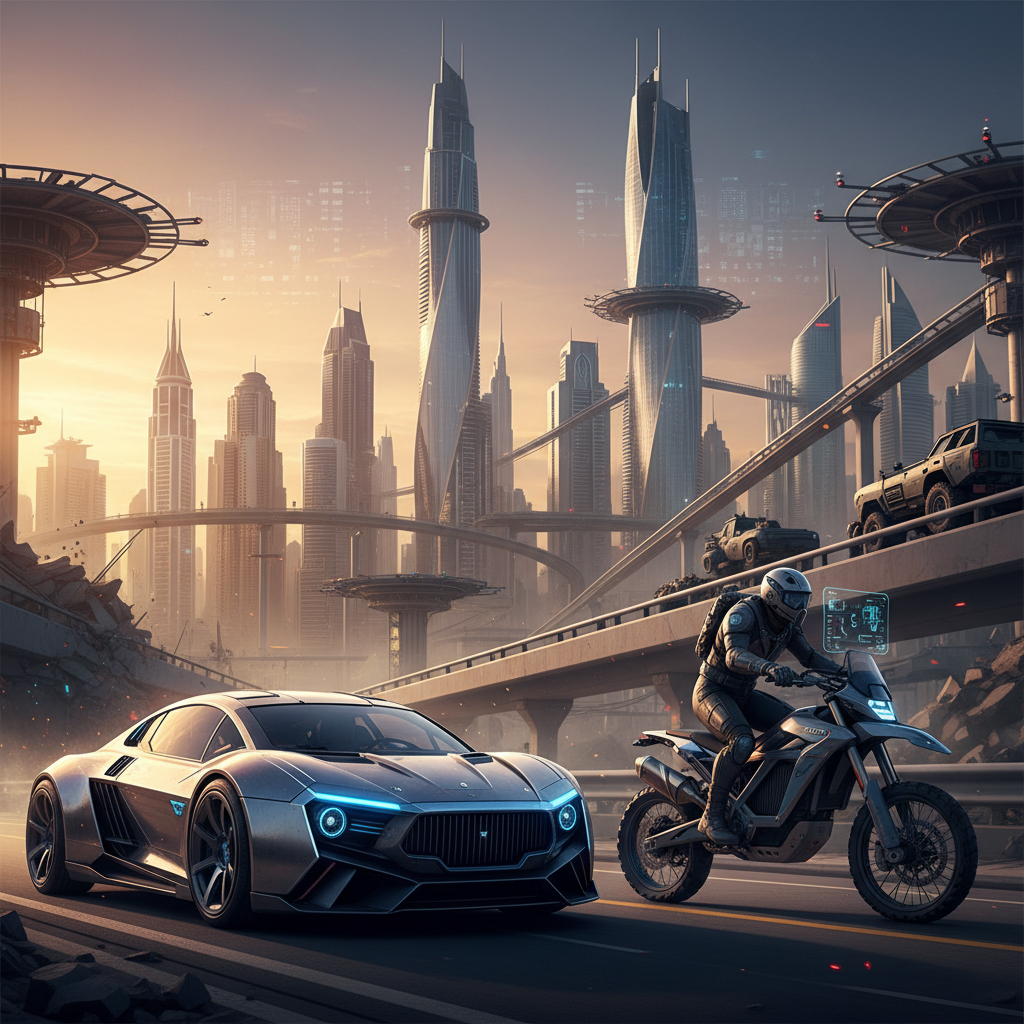
As 2026 approaches, Dubai and the wider UAE face rapid shifts in transport, the motor industry, and health, all shaped by regional conflicts. Understanding how war and global events touch daily life is crucial. This matters for every driver, cyclist, or resident who relies on the UAE’s advanced infrastructure and healthcare. With uncertainty still present in the region, the choices we make now will define our future mobility and well-being.
Car and Motor Industry: Adapting to Change
The car market in Dubai is expected to evolve fast by 2026. Ongoing regional conflicts have put pressure on supply chains, raising the cost of new vehicles and spare parts. Many dealers in the UAE now focus on electric and hybrid cars to meet stricter regulations and avoid fuel shortages linked to war. This shift also helps reduce Dubai’s carbon footprint, supporting the city’s green goals.
For the motor industry, the war’s impact means more local assembly and greater resilience. Dubai businesses are investing in local manufacturing and smarter logistics to avoid delays. If you plan to buy a new car in 2026, expect more options for electric vehicles and flexible payment solutions. The future of cars in the UAE will rely on innovation and strong partnerships within the region.
Bike Trends and Mobility in 2026
Interest in bikes has soared, driven by both health and transport needs. War and rising fuel costs have made cycling and e-bikes more appealing for daily commutes. As part of the future of transport in the UAE, Dubai has expanded cycling paths and launched city-wide e-bike sharing programs. These changes support healthier lifestyles while taking pressure off congested roads.
For riders, safety and smart technology are top priorities. Expect to see smart helmets, GPS tracking, and new bike lanes in every major neighborhood. These trends not only help the environment but also give people more choices to move around the city, even during uncertain times.
Health Sector Opportunities and Challenges
The war’s impact on health in the UAE is clear. Supply chain disruptions and refugee inflows have pushed the region to invest in health innovation like telemedicine and mobile clinics. Dubai’s healthcare future depends on adapting quickly and using digital solutions. Hospitals now use AI for faster diagnosis, and clinics offer video consultations to reach more people.
Conclusion
As Dubai looks to 2026, the intersection of war, mobility, and health shapes every aspect of life. The car and motor industry, bike trends, and the health sector all show resilience and adaptability. By focusing on innovation, health, and sustainability, Dubai and the UAE are building a future that can weather any challenge. Whether you drive, ride, or seek care, these changes will impact your daily life and offer new opportunities in a changing world.