
War Impact on Health and Cars: Dubai’s 2026 Mobility Future
Explore how war impacts health and cars in Dubai’s 2026 mobility future. See UAE transport, bike trends, and health sector innovation opportunities.
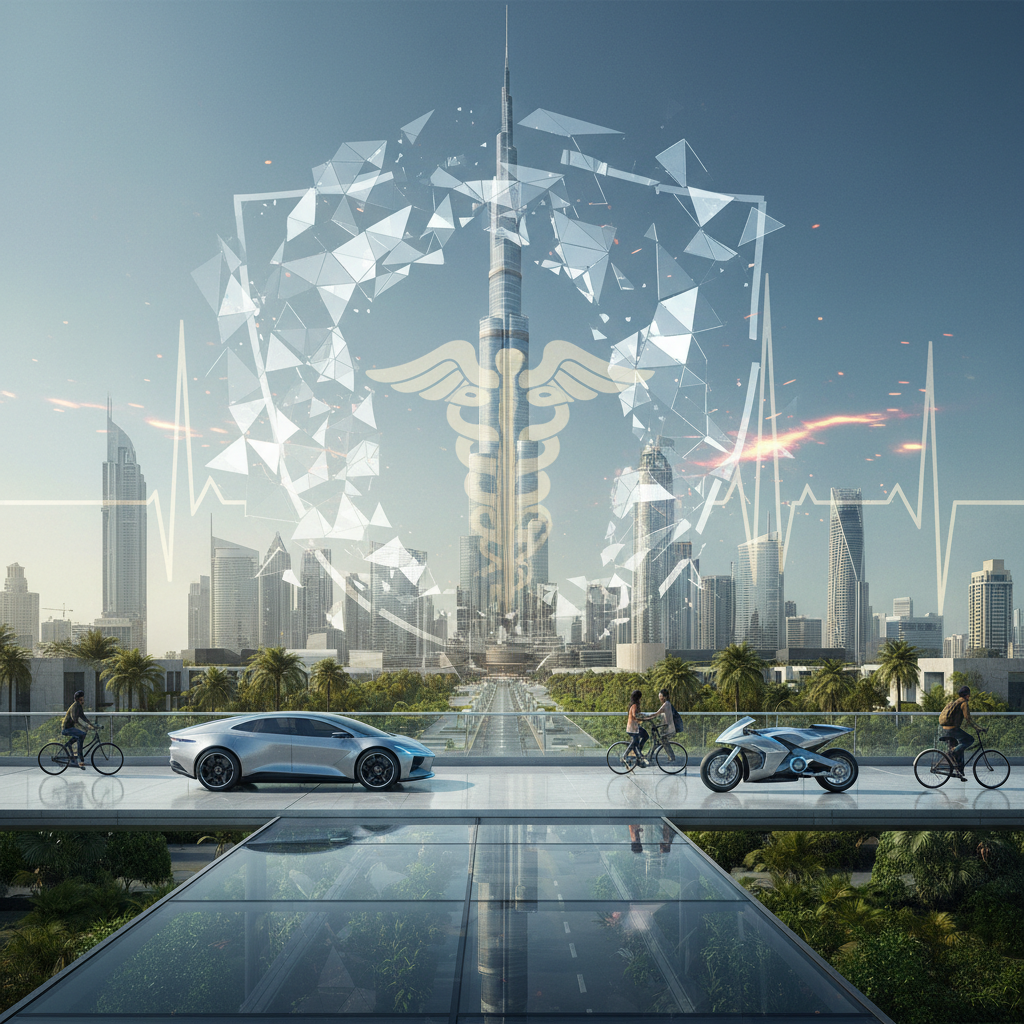
As 2026 arrives, Dubai and the UAE face new realities shaped by global conflict and rapid change. The impact of war in surrounding regions is not just a headline, it directly affects how we move, how we care for ourselves, and how we plan for the future. Understanding these shifts helps residents, business owners, and health professionals make better choices in uncertain times.
Changing Face of Mobility: Cars, Bikes, and Motors in 2026
The car market in Dubai is seeing a major shift. Regional conflict has pushed up fuel prices and disrupted supply chains. As a result, electric cars and hybrid vehicles are now more popular than ever. Dealers in the UAE report a growing demand for cars that save energy and rely less on imported fuel. This trend is shaping the future of cars in Dubai, making clean transport a top priority.
Bikes and e-bikes are also gaining ground, especially in urban areas. As traffic increases and public transport faces delays, more people turn to bikes for fast and healthy travel. The UAE government supports this change by building more bike lanes and setting up safe parking. The motor industry in Dubai is responding with more options for personal and shared mobility, from smart scooters to electric motorcycles.
Health Sector Innovation Amid Regional Conflict
War in nearby regions has a direct impact on the UAE health sector. Dubai’s healthcare system has to plan for new challenges, such as treating injuries from refugees and handling supply shortages. In response, hospitals invest in local production of medicine and medical supplies. This helps ensure that care remains steady, even when global supply lines are under stress.
At the same time, health innovation in Dubai is on the rise. New telemedicine platforms make it easier for patients to reach doctors, even during times of crisis. Health authorities are also working on better emergency response plans and building partnerships with global health leaders. These steps keep Dubai’s healthcare future strong, even as the region faces uncertainty.
Opportunities and Risks for Dubai’s 2026 Future
The future of transport in the UAE is not just about new technology. War and conflict remind us that local resilience matters. Businesses are investing in local assembly plants for cars and motors, which creates jobs and reduces reliance on imports. The health sector is hiring more local staff and training them to handle crisis situations. These changes create real opportunities for people in Dubai and the wider UAE.
Conclusion
Dubai’s 2026 outlook is shaped by both challenge and innovation. The impact of war on transport and health is real, but so is the UAE’s drive to adapt and lead. By investing in clean mobility, smart healthcare, and local talent, Dubai is building a future that is safer, healthier, and more resilient for everyone.