
Guide to UAE Transport 2026: Cars, Bikes, and Health Impact
Explore UAE transport 2026 trends in cars, bikes, and health sector. Discover how war and regional conflict impact Dubai’s mobility and healthcare future.
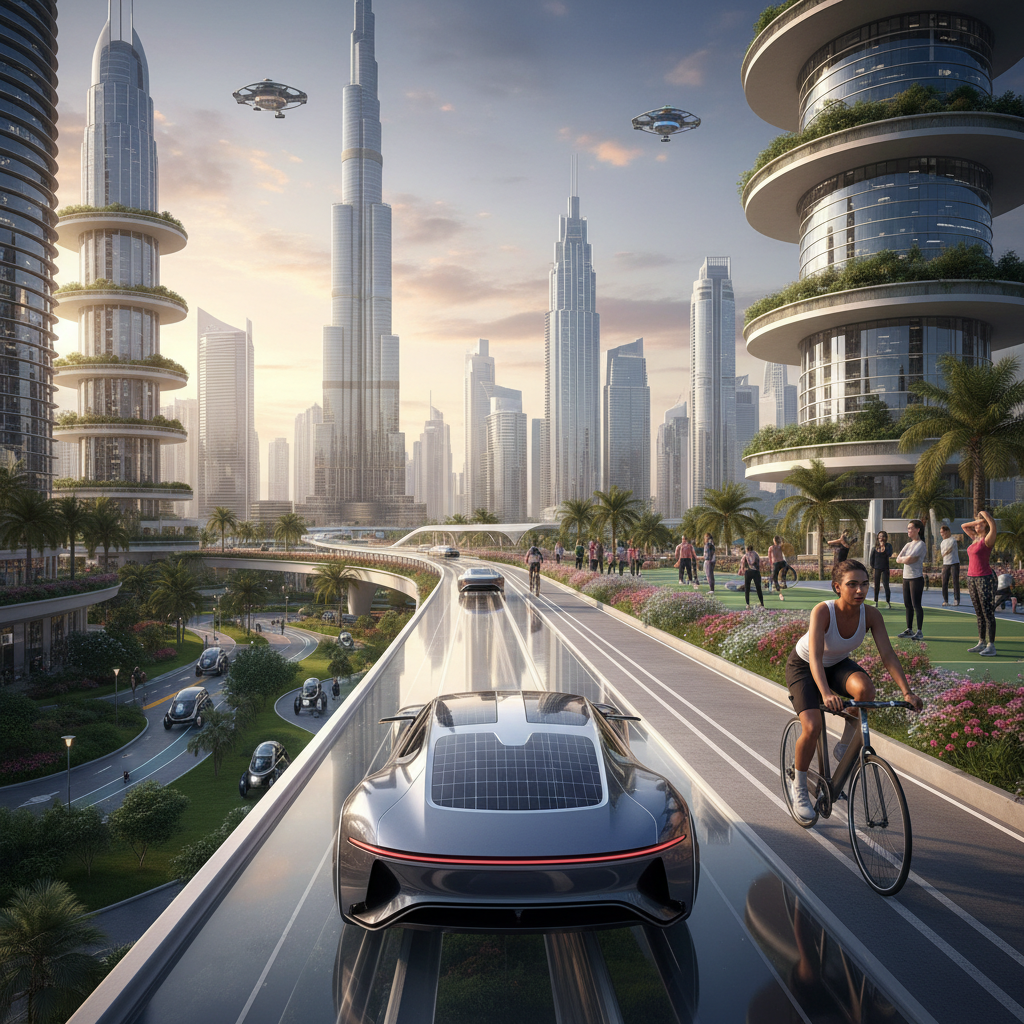
As Dubai and the wider UAE approach 2026, big changes are on the horizon for transport and health. Ongoing regional conflicts and rapid innovation are shaping how people move and how they stay healthy. Understanding these shifts helps residents, investors, and business leaders prepare for what comes next.
The Future of Cars and Motor Industry in Dubai
Dubai’s car market in 2026 is set for a significant transformation. Electric cars are growing in popularity as the government supports greener transport. The motor industry in Dubai is embracing both electric and hybrid vehicles. This shift is also changing how people buy, use, and maintain their cars.
Regional conflicts can disrupt supply chains, making some cars harder to find or more expensive. Dubai’s strong policy focus on local assembly and diversified imports helps reduce this risk. If war impacts trade, local dealers may rely more on regional partners, which could slow down the release of new models. Still, the city’s focus on smart mobility ensures that innovation drives the sector forward.
Bike Trends and Mobility in the UAE
Bike culture is rising in the UAE, especially in Dubai’s urban centers. More people use bikes for daily trips, exercise, and leisure. In 2026, new bike lanes and shared mobility services help make cycling safer and more convenient. These changes support Dubai’s ambition to be a leader in sustainable transport.
The impact of war on mobility can be mixed. On one hand, fuel price spikes make bikes and e-bikes more attractive. On the other, security concerns may limit outdoor activities in certain areas. Still, the future of transport in the UAE includes bikes as an essential part of urban life, especially with ongoing city planning and health campaigns.
Health Innovation and Sector Opportunities
The health sector in the UAE, and Dubai in particular, is growing fast. By 2026, health innovation is a top priority, from telemedicine to AI-driven diagnostics. The Dubai healthcare future is bright, attracting investment from around the world.
Regional conflict and war can stress the healthcare system, leading to higher demand for emergency care and supply challenges. However, the UAE’s focus on resilience and advanced health tech helps cushion these impacts. Residents benefit from new clinics, digital health tools, and wellness programs built for a changing world.
Conclusion
In 2026, Dubai and the UAE will see major shifts in transport and health. The car and motor markets are adapting to new tech and global risks. Bikes play a bigger role in city life. The health sector is innovating to meet new challenges, even as regional conflict tests the system. By staying informed and flexible, both residents and businesses can seize the opportunities ahead and help shape a resilient, healthy, and mobile future for the UAE.