
2026 UAE Scenarios: Car Market, Health, and War’s Influence
Discover 2026 UAE scenarios for car market, bike trends, and health sector. Learn how war and regional conflict impact Dubai’s transport and healthcare.
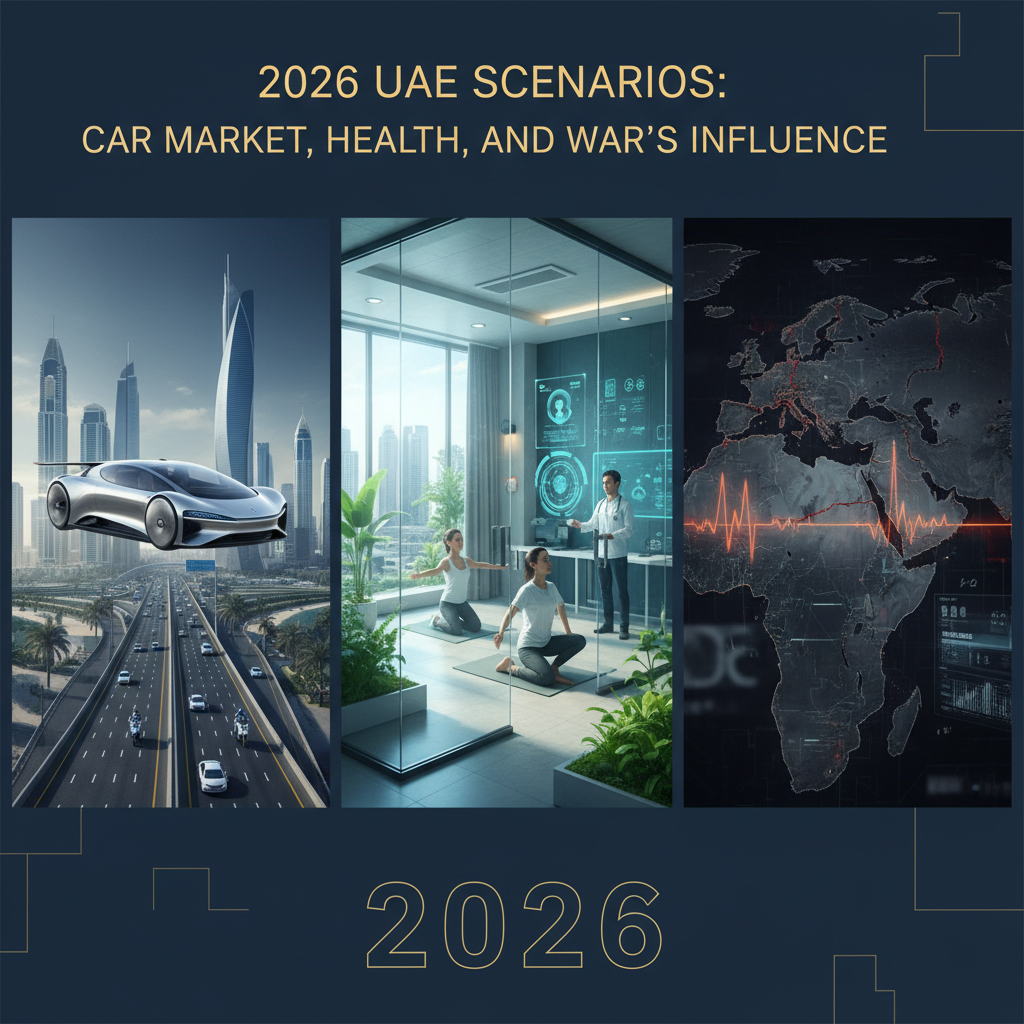
As we look toward 2026, the UAE faces rapid changes in transport and health, shaped by global conflicts and local innovation. With Dubai at the center of these shifts, understanding how the car, bike, and motor sectors respond to war and health trends can help residents and businesses plan for what’s ahead. This matters because these sectors affect daily life, economic growth, and even personal well-being in Dubai and across the UAE.
The Car and Motor Industry: Shifting Gears in Dubai
The car market in Dubai 2026 is expected to keep evolving as electric vehicles (EVs) gain ground. Ongoing regional conflicts may disrupt supply chains, causing delays in both new and used car imports. However, Dubai’s strong push for clean energy keeps the focus on EVs and hybrids. Motor industry Dubai experts note that buyers now ask more about sustainability and local sourcing. For many, these trends signal new opportunities and challenges in the future of cars UAE.
Motorbikes and the broader motor sector are also seeing strong interest. Delivery services, which boomed during recent health crises, remain in high demand. As city roads become more crowded, bikes offer a practical option for short trips. The 2026 Dubai mobility landscape could see more bike lanes and smart traffic systems, which would support further growth in this sector.
Health Sector Innovation and War’s Impact
The health sector UAE 2026 is focused on digital care and preventive health. Dubai leads with telemedicine, smart clinics, and AI-based health tools. Yet, the impact of war UAE could strain resources, especially if conflicts disrupt the flow of medical supplies or skilled staff. Hospitals and clinics are investing in better emergency readiness and mental health services, learning from past global crises.
War’s indirect effects on health are just as critical. Anxiety, stress, and disrupted routines can hurt community well-being. The war impact on health UAE means that both public and private health leaders in Dubai now prioritize resilience. New partnerships and government support help the Dubai healthcare future stay on track, even during uncertain times.
The Future of UAE Transport: Bikes, Cars, and Resilience
UAE transport 2026 will be shaped by both technology and geopolitics. Regional conflict can slow down progress, but it also sparks new ideas for local production and smart infrastructure. Bike trends UAE include more shared bike schemes and improved road safety, reflecting a shift toward green travel. The future of transport UAE now depends on flexible systems that can adapt to rapid change, including new rules or supply shocks.
Conclusion
In 2026, Dubai and the UAE face both risks and rewards from war, health shifts, and transport innovation. The car, bike, and motor sectors adapt by focusing on sustainability and local solutions. Meanwhile, the health sector finds strength in digital tools and adaptability. By staying alert to global events and investing in resilience, the UAE sets the stage for a smarter, healthier future.