
Dubai’s Motor Industry & Health Sector: 2026 War Impact
See how Dubai’s motor industry and health sector face 2026 war impacts. Get insights on future of cars, bikes, and healthcare opportunities in the UAE.
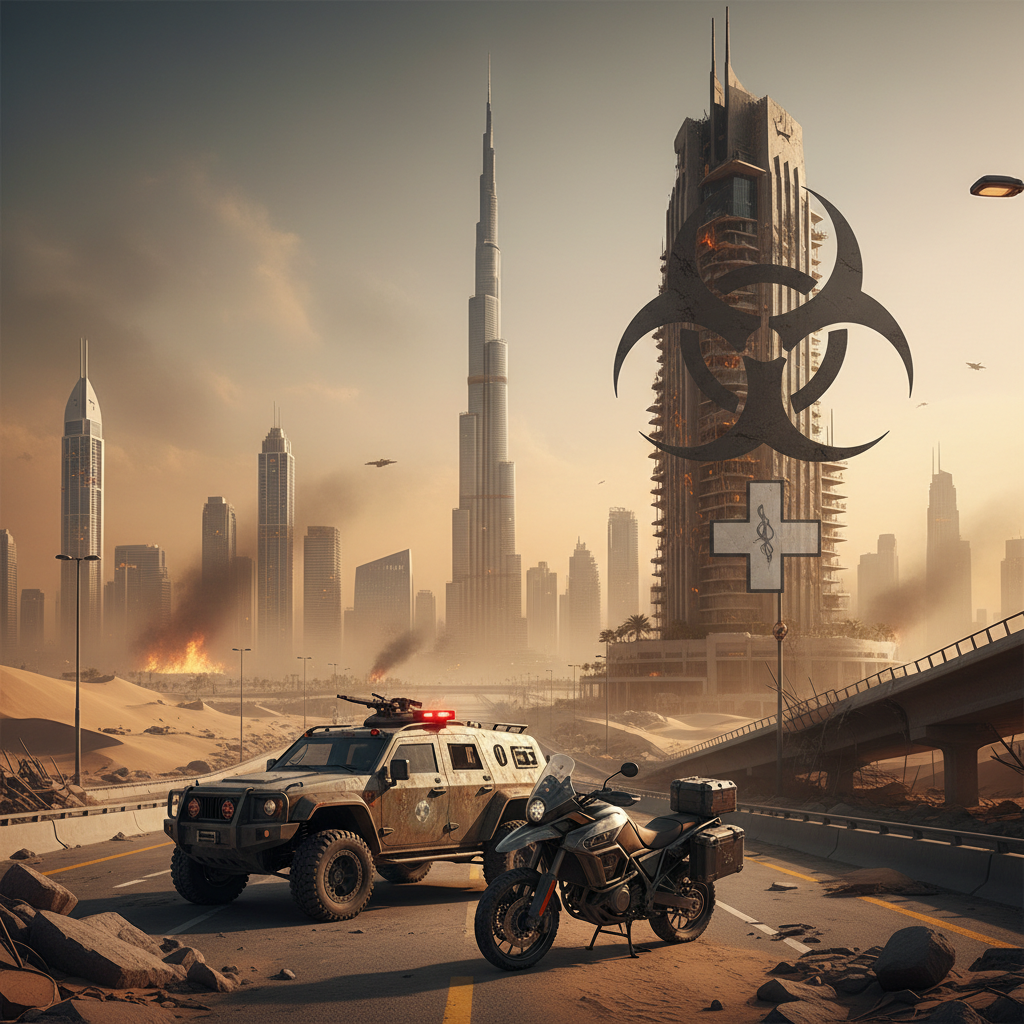
As the world faces ongoing regional conflict, Dubai’s car, bike, and health sectors stand at a crossroads. In 2026, the impact of war reaches beyond borders, shaping the future of transport and healthcare in the UAE. Understanding these changes helps businesses, residents, and investors prepare for new realities and opportunities in Dubai’s fast-evolving landscape.
Car and Motor Industry Challenges in 2026
The car market in Dubai is feeling pressure from shifting trade routes and supply chain disruptions caused by regional conflict. While demand for reliable transport remains high, delays in global shipping affect motor imports and spare parts. This has led many in the UAE to look for local alternatives or invest in electric vehicles, which are less dependent on imported fuel and components. As a result, the motor industry in Dubai is seeing a push towards sustainability and local innovation.
Bike trends in the UAE also reflect these changes. With more residents seeking alternative transport, e-bikes and motorbikes are becoming popular for short urban commutes. This shift not only helps ease congestion but also fits Dubai’s green mobility goals. The rise of shared bike services shows how the city’s transport options are adapting to meet both practical and environmental needs in uncertain times.
War’s Effect on UAE Health Sector
Regional conflict has direct and indirect effects on the health sector in the UAE. Increased pressure on supply chains can limit access to some medical supplies and equipment. However, Dubai’s healthcare future looks robust due to strong investment in local health innovation and technology. Telemedicine and AI-driven diagnostics have become essential, helping bridge gaps when physical resources are delayed or scarce.
There is also a growing focus on mental health support, reflecting the community’s need for resilience during uncertain times. Dubai’s health sector opportunities in 2026 lie in its ability to adapt quickly, investing in both digital health solutions and workforce skills. The city’s commitment to health innovation is turning challenges into growth, keeping public health systems strong even when outside pressures rise.
Preparing for the Future of Transport and Health in Dubai
Dubai’s approach in 2026 blends innovation with practical responses to global and regional risks. For those involved in the car, bike, and motor sectors, keeping pace with new technology and sustainability practices is essential. Businesses that invest in electric vehicles, local assembly, and green infrastructure are set to thrive, even if regional tensions continue.
Conclusion
Dubai’s car, bike, motor, and health sectors are adapting fast as 2026 brings new challenges. The impact of war on the UAE is real, but so is the city’s drive for innovation and resilience. By focusing on local solutions and future-ready technology, Dubai continues to set an example for how cities can thrive, even in uncertain times.