
How War Impacts Car, Bike, and Health Sectors in UAE 2026
Uncover the effects of war on UAE car, bike, and health industries in 2026. Learn about Dubai mobility, health innovation, and future transport trends.
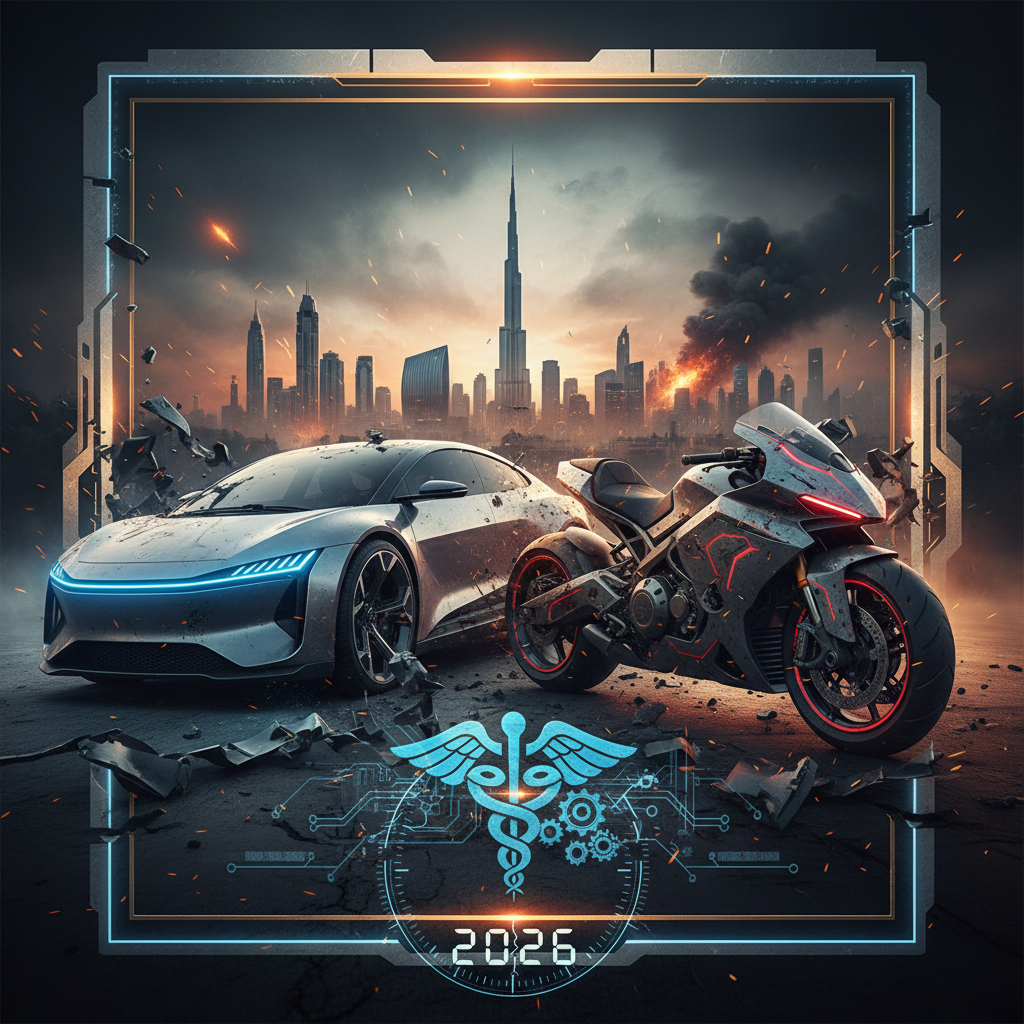
The possibility of war in the region is not just headline news, it directly affects daily life in Dubai and across the UAE. With 2026 bringing rapid change in transport and healthcare, understanding how conflict shapes the car, bike, motor, and health sectors matters more than ever. This blog unpacks how these industries respond to uncertainty and highlights what you can expect for the future of transport and health in the UAE.
Shifting Mobility: Cars, Bikes, and Motors in 2026
Regional conflict puts pressure on the UAE’s transport sector. In recent years, global tensions have already pushed up fuel prices and disrupted supply chains. The car market in Dubai 2026 now faces longer delivery times, higher costs, and a greater push for local assembly. Many car dealers shift focus to electric cars and hybrids, which depend less on imported fuel.
Bike trends in the UAE also reflect these changes. More people turn to bikes and e-bikes for daily commutes, especially as city planners in Dubai invest in safer bike lanes and last-mile solutions. The future of cars in the UAE will likely mean more shared transport, flexible leasing, and smart, connected vehicles designed to adapt to changing conditions.
War’s Impact on Health: Challenges and Innovation
The health sector in the UAE is on high alert during times of conflict. Hospitals in Dubai prepare for supply delays and higher patient volumes. The war’s impact on health in the UAE goes beyond logistics. There is higher demand for mental health services as people feel the stress of uncertainty. Private and public health providers now work together more closely to ensure care continues, even if resources become scarce.
Despite these challenges, Dubai’s healthcare future remains bright. Health innovation is speeding up, with telemedicine and AI diagnostics becoming part of daily care. The UAE health sector sees new opportunities in 2026, such as investment in local pharma production and digital health platforms that help bridge gaps caused by war or trade disruption.
Adapting for the Future: Opportunities and Resilience
The future of transport in the UAE will depend on how quickly the sector adapts. The motor industry in Dubai is already investing in smart logistics and local sourcing. New policies encourage green transport options, from electric cars to advanced bike networks. These changes help reduce the impact of regional conflict on daily mobility.
Conclusion
War and global tensions are shaping the way people in Dubai and the UAE move, drive, and care for their health in 2026. While challenges remain, both the car and health sectors are finding ways to adapt and grow. By investing in innovation, local talent, and smart planning, the UAE is setting itself up for a more resilient and flexible future, no matter what comes next.