
How 2026 War Shapes Dubai Health, Car, and Motor Markets
Learn how 2026 war shapes Dubai’s health, car, and motor markets. Discover regional conflict impacts, bike trends, and future transport in the UAE.
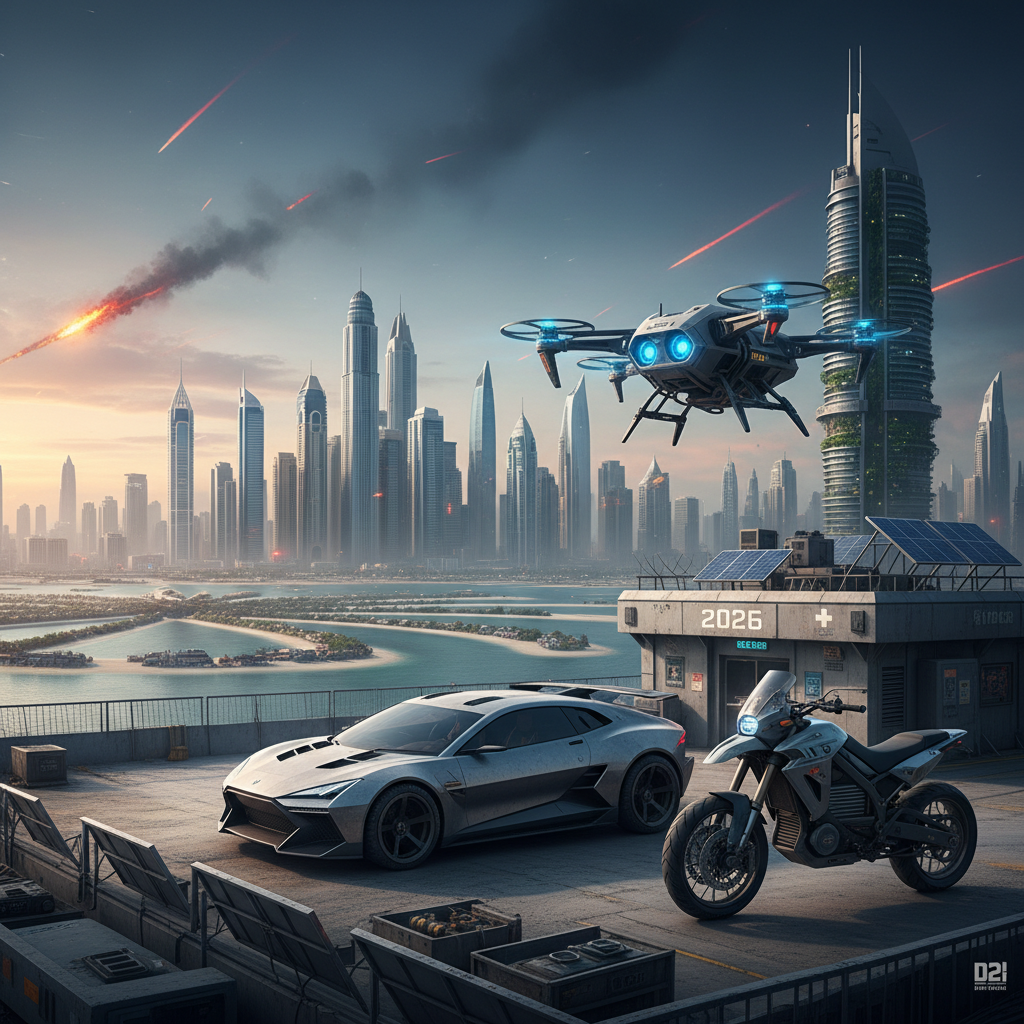
Dubai and the wider UAE face a new reality as war and regional tensions reshape key sectors in 2026. How do conflict and uncertainty impact the future of transport, the car and bike markets, and the health sector in Dubai? The answer matters to residents, investors, and anyone watching the region’s next move.
Impact of War on UAE Transport and Mobility
The future of transport in the UAE is being tested by the effects of war in neighboring regions. While Dubai has long led in smart mobility, 2026 brings new hurdles. Rising import costs for car and motor parts have pushed up prices, and supply chains now face more risk. The car market in Dubai 2026 has shifted, with buyers seeking reliable brands and electric vehicles gaining ground for their efficiency and lower running costs.
Bike trends in the UAE show a rise in e-bikes and shared mobility, as residents look for cost-effective options during uncertain times. The future of transport in the UAE will likely depend on local manufacturing and tech-led solutions to keep people and goods moving, even when global routes are at risk.
Regional Conflict and the Health Sector
The impact of war on UAE health is clear in emergency planning and innovation. Dubai’s healthcare future now centers on resilience, with hospitals building rapid-response units and telemedicine growing fast. The health sector in the UAE 2026 faces pressure from increased demand, as the region supports both its own people and those displaced by conflict.
Health innovation in Dubai is creating remote care solutions and digital records to keep services running, even when movement is limited. These changes offer both challenges and new opportunities for the UAE health sector as it adapts to a world where stability is never guaranteed.
Motor Industry and 2026 Dubai Mobility
The motor industry in Dubai is navigating a complex landscape. Traditional car sales are down, but there is a fresh demand for compact, fuel-efficient vehicles and electric cars. The future of cars in the UAE seems tied to both sustainability and security. Companies are investing in local assembly and after-sales support to stay agile.
For bikes and motors, 2026 sees a focus on urban mobility. Shared fleets and subscription models are rising as people seek flexible, affordable ways to travel. The 2026 Dubai mobility scene is about balancing innovation with real-world needs shaped by global conflict.
Conclusion
War and uncertainty in 2026 have forced Dubai and the UAE to rethink health, car, and motor markets. While challenges remain, the region is using innovation and resilience to create new opportunities. Whether you are a resident, investor, or business leader, watching these trends will shape your next move in a rapidly changing world.