
UAE Transport 2026: War Effects on Cars, Bikes, and Health
See war’s effects on UAE transport 2026, including cars, bikes, and health. Discover Dubai’s future mobility, health sector, and market innovation.
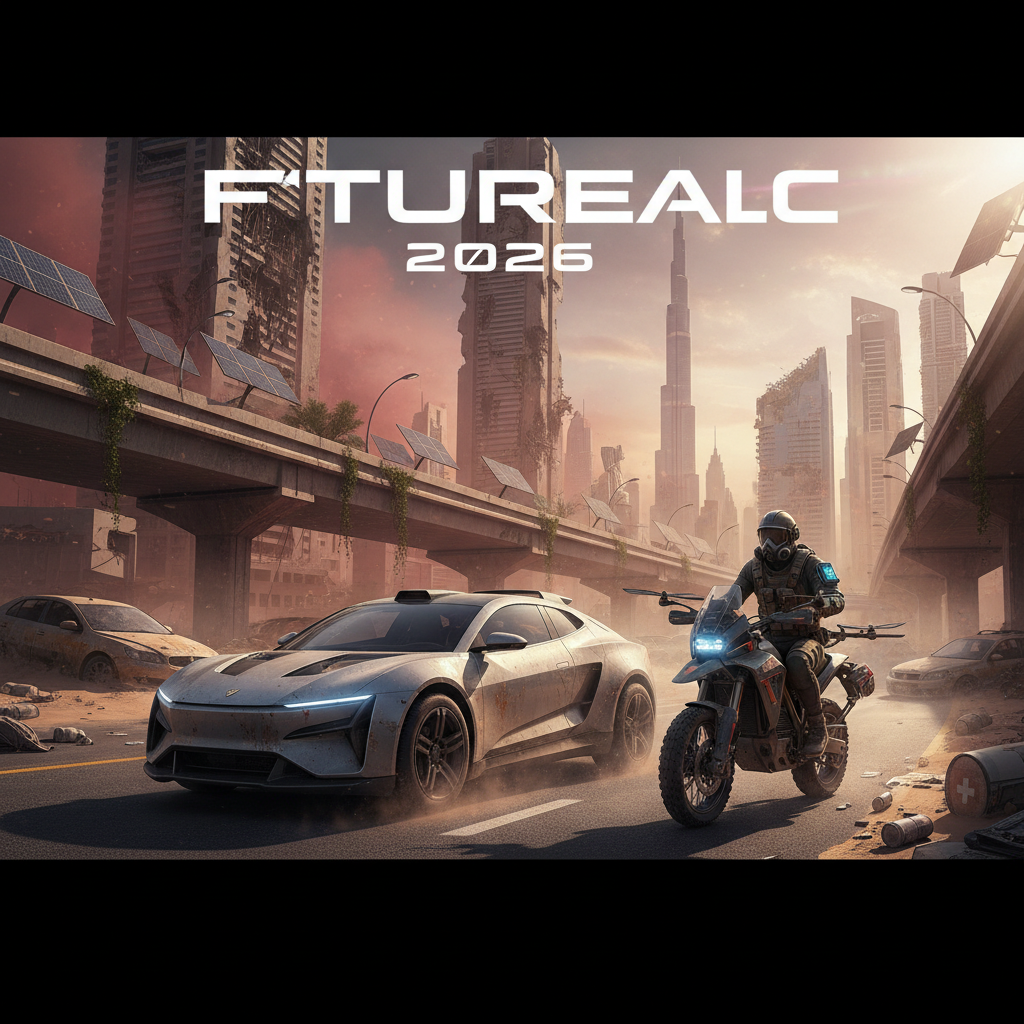
As Dubai and the wider UAE plan for 2026, global conflict and rapid innovation are shaping transport and health in new ways. The impact of war is not just a distant headline, it is changing how people move, what they drive, and even how they access healthcare. Understanding these changes helps residents and industry leaders prepare for the future, whether you commute daily or work in the health sector.
Changing Face of Car and Bike Mobility in Dubai
The car market in Dubai is evolving faster than ever. In 2026, electric vehicles and hybrid cars are more popular, driven by new policies and supply chain shifts linked to ongoing regional conflict. High fuel prices and parts shortages have pushed buyers toward efficient models. Many families now consider electric bikes or scooters for short trips, leading to a surge in bike trends across the UAE.
War in the region has also affected the motor industry in Dubai. While luxury car sales are steady, everyday models face longer delivery times due to disrupted trade routes. This makes reliable public transport and shared mobility services even more important for daily life.
Health Sector Opportunities and Challenges
The health sector in the UAE is facing both pressure and opportunity. The war’s impact on health in the UAE is visible as resources shift to meet new needs. Hospitals in Dubai have invested in digital health and telemedicine, allowing more people to see doctors without leaving home. This shift is vital when transport is less predictable or when people avoid crowded spaces.
Still, the future of Dubai healthcare depends on continued investment. Health innovation in Dubai, like AI-driven diagnostics and remote care, is growing. But, regional conflict means some medicine imports are slower and costs have risen. The sector must focus on resilience and local solutions to keep quality care available in 2026 and beyond.
Future Scenarios for UAE Mobility
Looking ahead, the future of transport in the UAE will rely on flexibility. The 2026 Dubai mobility landscape is a mix of private cars, shared rides, and a strong focus on sustainability. The war’s ongoing effects have taught city planners to prioritize local supply chains and invest in smart infrastructure. This is clear in new metro lines, secure bike paths, and electric charging stations popping up across Dubai.
For residents, this means more choices but also the need to adapt. If you rely on cars, now is the time to consider electric or hybrid options. If you use public transport or bikes, expect better safety and innovation by 2026.
Conclusion
War and innovation are rewriting the script for cars, bikes, and health in Dubai and the UAE. By staying alert to these shifts, you can make smart choices, whether buying a car, investing in health, or planning daily travel. In 2026, resilience and readiness are your best tools for navigating the new landscape.